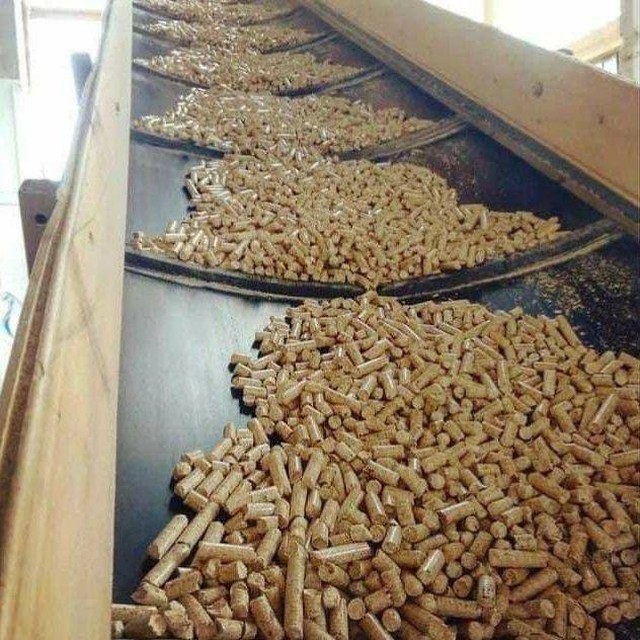
Dense hardwood pellets pressed from acacia, offering a high calorific value and a long, steady burn.
Acacia is a dense hardwood species, and pellets pressed from it typically deliver a higher calorific value per kilogram than softwood pellets, along with a longer burn time. Suited to buyers prioritising heat output and burn duration over the lighter colour associated with softwood pellet lines.
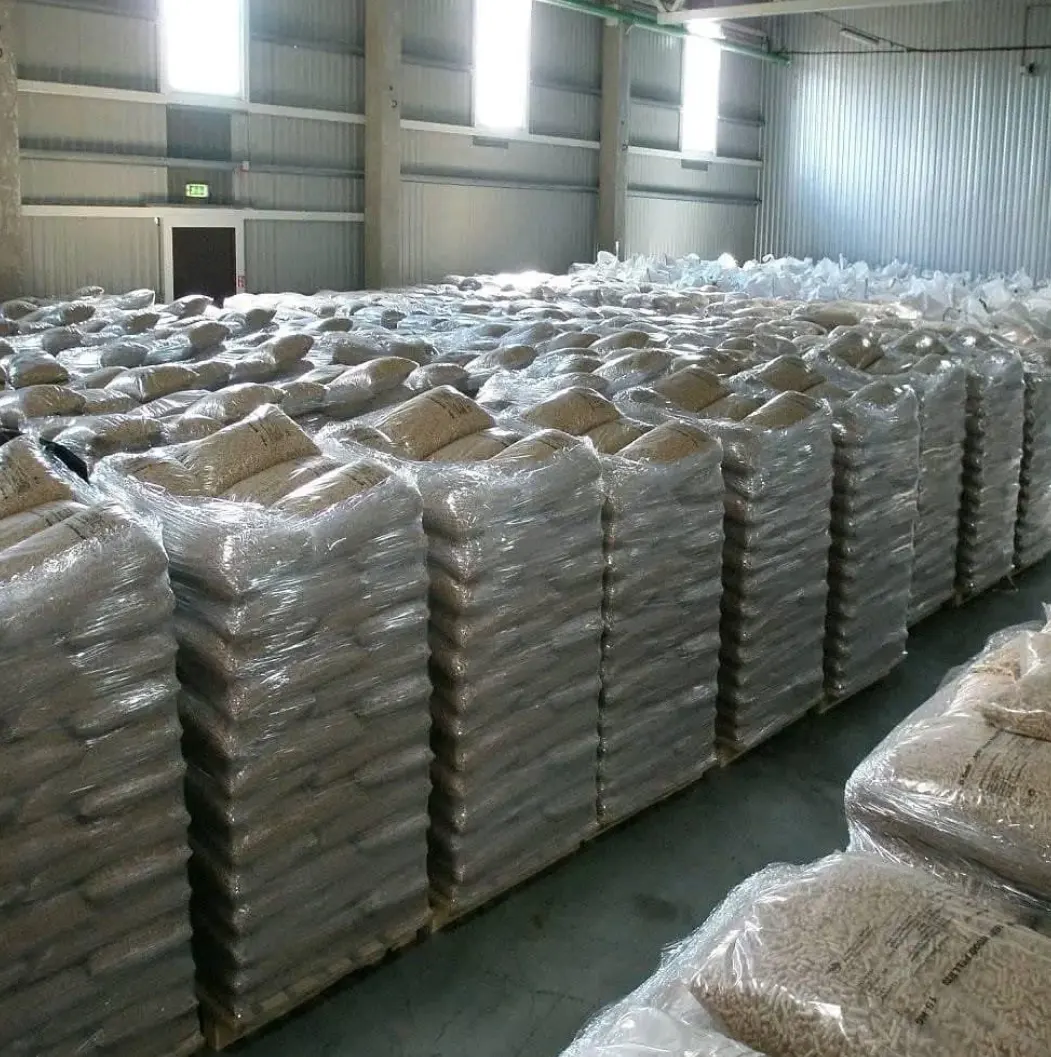
Packaging options are subject to product availability and customer requirements.
Acacia is a dense hardwood species, and pellets pressed from it typically deliver a higher calorific value per kilogram than softwood pellets, along with a longer burn time. Suited to buyers prioritising heat output and burn duration over the lighter colour associated with softwood pellet lines.
KASUWOOD OÜ coordinates sourcing, documentation and EU logistics from a single sales desk, so distributors and commercial buyers get one point of contact for quotation, paperwork and delivery rather than managing multiple suppliers.
Send your required quantity, preferred packaging format and delivery destination, and our sales desk will confirm current batch specification, certification status and pricing together with your quotation.
Commercial and industrial buyers running boilers rated for hardwood fuel choose acacia specifically for its density — a higher calorific value per kilogram means fewer deliveries and less on-site storage for the same heat output, which matters most for buyers with limited yard or warehouse space. Distributors serving customers with hardwood-only appliances need a dependable hardwood line separate from their softwood stock, and acacia's burn characteristics make it a strong single-species option rather than a mixed-hardwood blend. Wholesalers exporting to markets where hardwood pellets carry a price premium over softwood use acacia to serve that segment specifically. Buyers should confirm their appliance is rated for hardwood pellets before switching, since feed and airflow settings can differ from softwood-tuned equipment.
Acacia is denser than beech, the other hardwood line we carry, which generally translates into a slightly higher calorific value and a longer burn per kilogram — the trade-off is usually price and batch availability, since acacia is a less universally stocked species than beech across European mills. Compared with softwood pellets such as spruce or silver fir, acacia burns hotter and longer but takes a little longer to catch, which matters more for stoves that are lit and extinguished frequently than for boilers running continuously.
How to decide between acacia and beech. Acacia's extra density makes sense when your buyers value burn duration and heat output above all else, or where storage space is genuinely limited. Beech is the safer default when consistent, broad availability matters more than squeezing out the last bit of calorific value. If your customers haven't specified a preference, beech is usually the easier species to keep in stock reliably at volume. Tell us your appliance type and order pattern and we'll recommend the hardwood line that fits.
Acacia pellets are pressed from processed timber residue rather than logs cut specifically for fuel, in line with how most commercial pellet lines are produced. Because the carbon released on combustion is broadly offset by the carbon the tree absorbed while growing, biomass fuel is generally treated as significantly lower-carbon than fossil heating fuel over its full cycle — buyers with local renewable-incentive schemes should confirm what documentation their scheme specifically requires.
Acacia is denser than typical softwood species, which generally means a higher calorific value per kilogram and a longer burn — a good fit if your appliance is rated for hardwood pellets and you want fewer refills per heating cycle.
Certification depends on the specific batch and production run — confirm current certification status with our sales desk when requesting a quote.
15kg bags and bulk bag formats are both available; tell us your preferred format and order volume.
We recommend against mixing pellet species or diameters in the same appliance, since it can affect feed consistency and ash output — check your boiler manual if unsure.
Once you send your required quantity and delivery destination, our sales desk confirms availability and issues a wholesale quotation. Typical EU truck delivery runs approximately 3–5 business days after payment confirmation and loading — see our full delivery process for details.
What changes when you move from occasional orders to a recurring bulk supply relationship — and what to ask your supplier upfront.
Read ArticleThe three numbers that actually determine wood pellet quality, and why they matter more than the certification label alone.
Read ArticleBeyond price — the questions that actually reveal whether a wood pellet supplier can support your business long-term.
Read ArticleOur other hardwood pellet line — a widely available, consistently dense European species.
View ProductBulk biomass pellets for industrial heating and process-energy applications.
View ProductReliable mid-grade certified wood pellets at a more accessible price point.
View ProductSend your required quantity and delivery destination and our sales desk will prepare a wholesale quotation.