Hardwood pellets pressed from beech, a dense, widely available European hardwood species.
Beech is one of the most common European hardwood species used in pellet production, valued for its consistent density and availability. Beech wood pellets suit residential and commercial buyers who want a hardwood-grade fuel with dependable burn characteristics batch to batch.
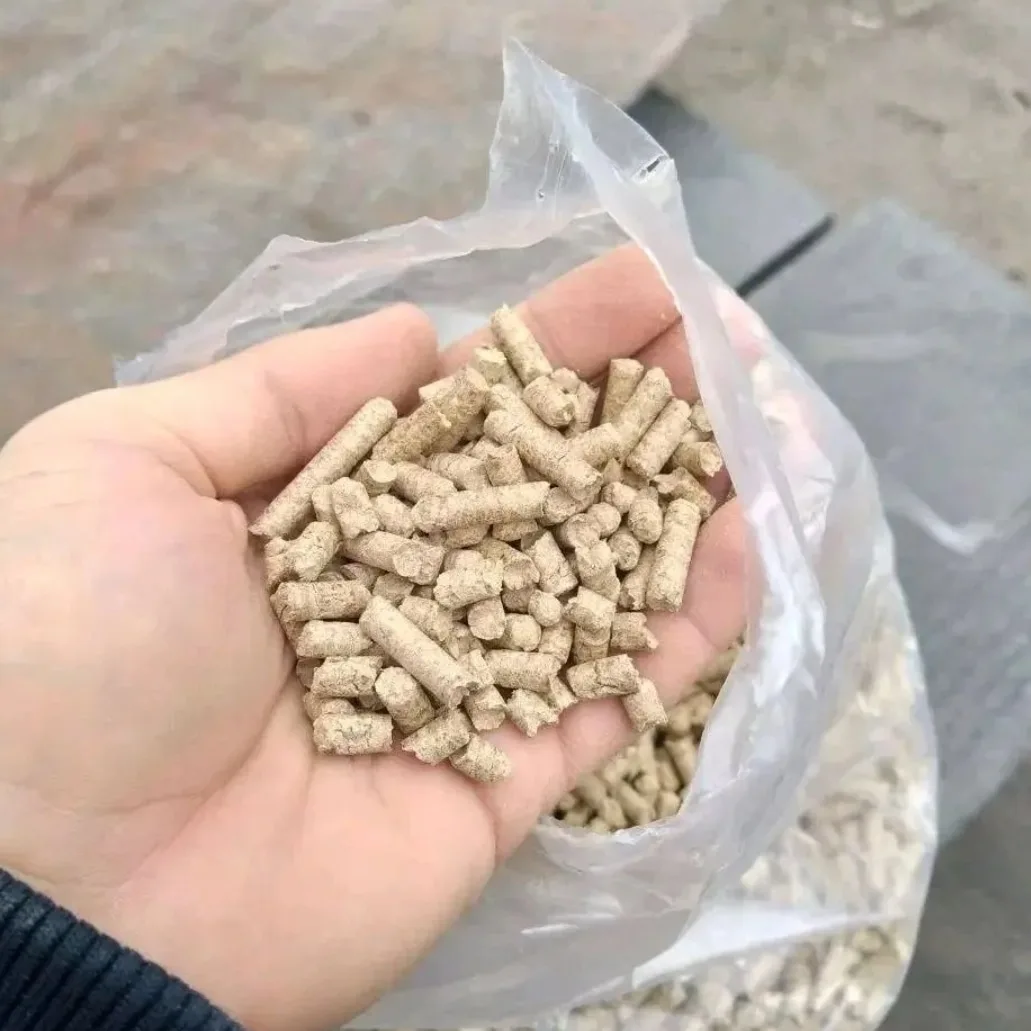
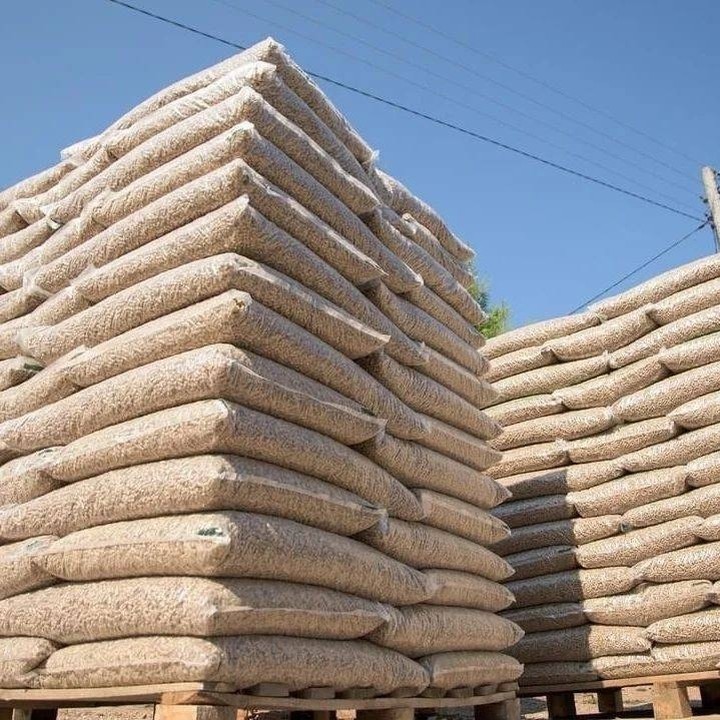
Packaging options are subject to product availability and customer requirements.
Beech is one of the most common European hardwood species used in pellet production, valued for its consistent density and availability. Beech wood pellets suit residential and commercial buyers who want a hardwood-grade fuel with dependable burn characteristics batch to batch.
KASUWOOD OÜ coordinates sourcing, documentation and EU logistics from a single sales desk, so distributors and commercial buyers get one point of contact for quotation, paperwork and delivery rather than managing multiple suppliers.
Send your required quantity, preferred packaging format and delivery destination, and our sales desk will confirm current batch specification, certification status and pricing together with your quotation.
Residential and commercial distributors choose beech because it's the most consistently available hardwood species across European mills, which matters more for recurring bulk orders than a marginal performance difference versus other hardwoods would. Buyers replacing a mixed-hardwood or unspecified-species line often move to beech specifically for the predictability a single, well-documented species gives batch to batch — ash and moisture behaviour is easier to plan around. Commercial boiler operators running hardwood-rated appliances use beech as a dependable default when they don't have a specific reason to pay more for a denser species like acacia. Wholesalers serving multiple markets favour beech because it's a widely recognised species name that doesn't require additional buyer education.
Beech is the more widely stocked of our two hardwood lines, which generally makes it easier to source consistently at volume than acacia — acacia is somewhat denser and can edge it out on calorific value, but beech's availability and price make it the more common default hardwood choice across European mills. Against softwood species like spruce, beech burns longer per kilogram but takes a little more heat to get going, which is typical of the hardwood-versus-softwood trade-off generally.
How to decide between beech and acacia. Choose beech when consistent availability and broad market recognition matter more than maximising calorific value per kilogram — it's the more dependable species to build a recurring order around. Choose acacia instead if your buyers specifically want a denser, longer-burning hardwood and are willing to pay for it. For most distributors building a first hardwood line, beech is the more practical starting point precisely because it's easier to source reliably at scale. Let us know your target volume and we'll confirm current availability.
Beech pellets are produced from timber-processing residue — offcuts and sawdust from sawmills already processing beech for other end uses — rather than wood harvested specifically for pellet production. This keeps pellet manufacturing tied to existing timber industry output rather than adding standalone fuel-wood demand.
Beech is a single, consistent species, which tends to give more predictable ash and moisture behaviour batch to batch than a mixed-hardwood blend.
Yes, subject to your appliance's rated diameter and certification requirements — confirm these details when requesting a quote.
15kg bags are standard, with bulk bag options available for larger orders — let us know your preferred format.
Yes, delivery is coordinated across our standard EU truck delivery network — see our Export & Delivery page for details.
Once you send your required quantity and delivery destination, our sales desk confirms availability and issues a wholesale quotation. Typical EU truck delivery runs approximately 3–5 business days after payment confirmation and loading — see our full delivery process for details.
Wood pellets are only as good as their storage. A short guide to keeping quality intact from delivery to burn.
Read ArticleA side-by-side look at the three main wood pellet grades — who each one is built for, and how to decide between them.
Read ArticleWhat changes when you move from occasional orders to a recurring bulk supply relationship — and what to ask your supplier upfront.
Read ArticleA denser hardwood pellet with a higher calorific value, for buyers prioritising burn time.
View ProductTop-grade certified wood pellets for residential and small commercial heating.
View ProductBulk biomass pellets for industrial heating and process-energy applications.
View ProductSend your required quantity and delivery destination and our sales desk will prepare a wholesale quotation.