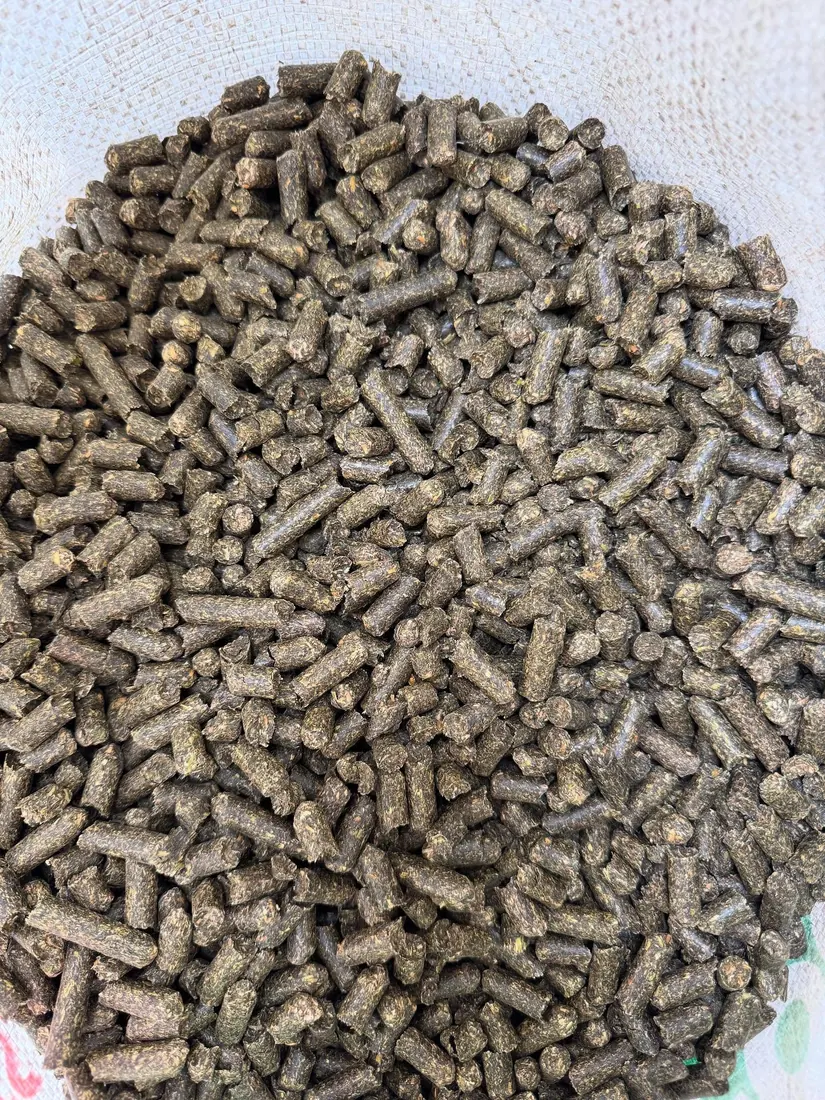
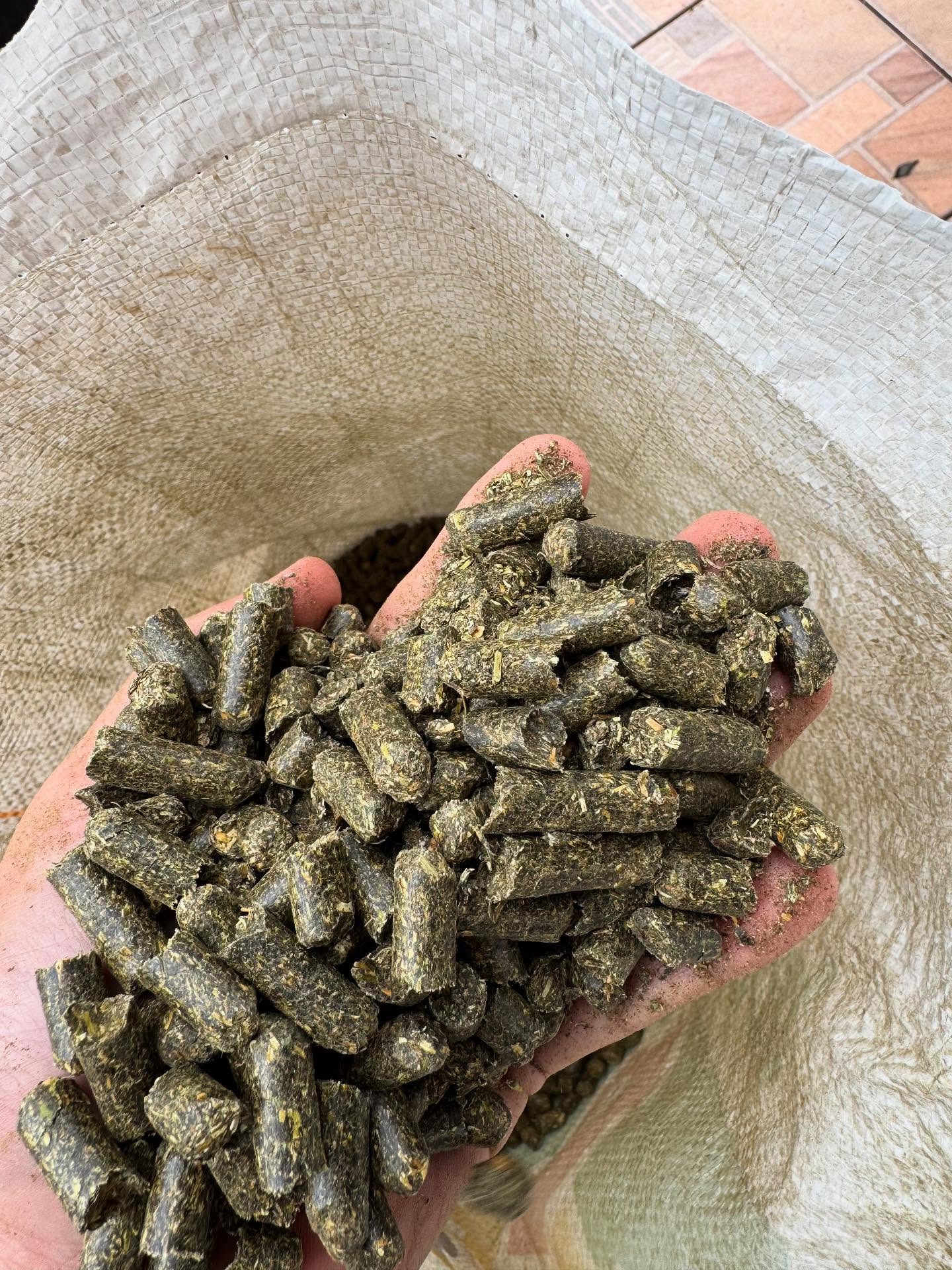
Compressed pellets made from sunflower seed husks — an agricultural-residue biomass fuel for industrial and commercial heating.
Sunflower husk pellets are pressed from the husk residue left over from sunflower seed and oil processing, giving a dense biomass fuel for industrial and commercial heating applications. As with other agricultural-residue pellets, ash content is typically higher than wood pellets — exact batch figures are confirmed with the quotation.
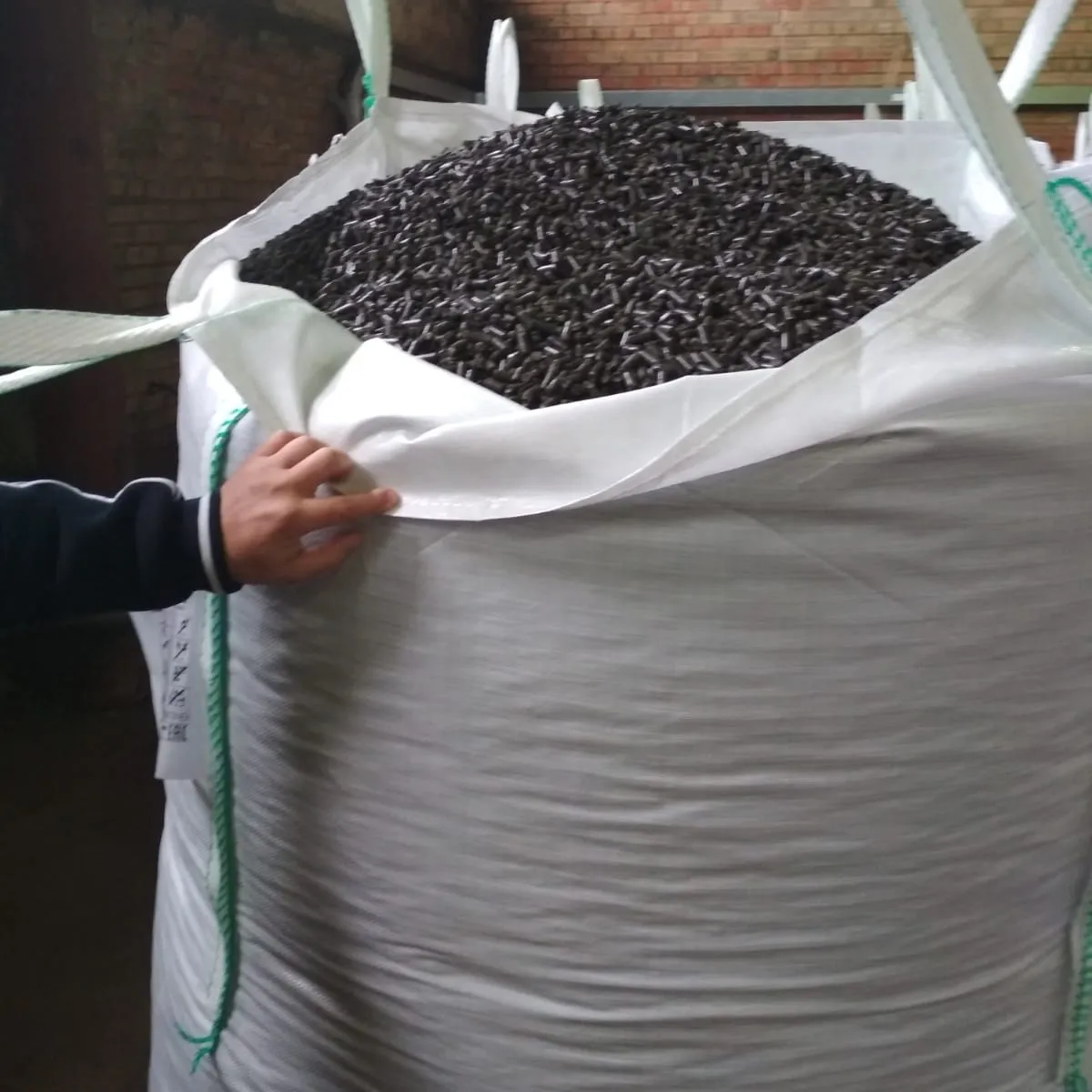
Packaging options are subject to product availability and customer requirements.
Sunflower husk pellets are pressed from the husk residue left over from sunflower seed and oil processing, giving a dense biomass fuel for industrial and commercial heating applications. As with other agricultural-residue pellets, ash content is typically higher than wood pellets — exact batch figures are confirmed with the quotation.
KASUWOOD OÜ coordinates sourcing, documentation and EU logistics from a single sales desk, so distributors and commercial buyers get one point of contact for quotation, paperwork and delivery rather than managing multiple suppliers.
Send your required quantity, preferred packaging format and delivery destination, and our sales desk will confirm current batch specification, certification status and pricing together with your quotation.
Industrial and commercial buyers running boilers specifically rated for agro-biomass fuel choose sunflower husk pellets as a lower-cost alternative to wood pellets, accepting the higher ash content in exchange for a more accessible price per tonne. Agricultural operations — particularly those already processing sunflower seed or oil — sometimes specify husk pellets to keep fuel sourcing within a material stream they already understand and handle. Buyers diversifying their fuel supply away from wood-only biomass use sunflower husk pellets to reduce dependency on wood pellet price and availability swings. This product is not a fit for residential ENplus-rated stoves or boilers — confirm your appliance's ash tolerance before ordering.
Sunflower husk pellets generally run a higher ash content than wood pellets, which is why they're supplied for industrial and agricultural heating rather than residential ENplus-rated stoves and boilers — most residential appliances aren't built to handle the higher ash volume. Against other biomass residues like wood chips or sawdust, the pelletized form is denser and easier to store, transport and feed through automated systems, at the cost of an extra processing step versus using the raw residue directly.
How to decide if sunflower husk pellets are right for your buyers. If your customers run boilers or furnaces specifically rated for agro-biomass or higher-ash fuel, husk pellets offer a genuine cost advantage over wood pellets at similar energy content. If your market is residential ENplus-rated stoves, stick with a certified wood pellet line instead — husk pellets aren't a compatible substitute. For industrial buyers already handling agricultural residue streams, husk pellets can simplify procurement by staying within a familiar material category. Send us your appliance specification and required volume and we'll confirm current batch availability.
Sunflower husk pellets are made entirely from a by-product of sunflower seed and oil processing — material that would otherwise need to be disposed of as agricultural waste. Using it as a heating fuel keeps that residue stream productive rather than landfilled or burned uncontrolled, which is the main sustainability case for agricultural-residue pellets generally.
No — they're pressed from sunflower seed husk, an agricultural residue, rather than wood. They typically carry a higher ash content than wood pellets, so confirm your appliance is rated for agro-biomass fuel before ordering.
Primarily industrial and commercial heating boilers designed for agro-biomass fuel; check compatibility with your specific appliance.
Bulk bags (FIBC) and smaller bag formats are both available — tell us your preferred format and order volume.
Yes — send your required volume and destination and we'll confirm current batch specification alongside the quotation.
Once you send your required quantity and delivery destination, our sales desk confirms availability and issues a wholesale quotation. Typical EU truck delivery runs approximately 3–5 business days after payment confirmation and loading — see our full delivery process for details.
Practical guides on quotations, packaging, Incoterms and freight for commercial buyers.
View Buyer InsightsHow KASUWOOD OÜ plans European freight, documentation and delivery timing.
View Export & DeliveryBrowse the full wood pellet category — ENplus, industrial and species-specific lines.
View CategoryLight-coloured softwood pellets valued for low ash and a clean, steady burn.
View ProductDense hardwood pellets offering a high calorific value and a long burn.
View ProductHardwood pellets pressed from beech, a dense, widely available European hardwood.
View ProductSend your required quantity and delivery destination and our sales desk will prepare a wholesale quotation.