Light softwood pellets pressed from spruce, one of the most common Northern European pellet species.
Spruce is among the most widely used softwood species in European pellet production, giving a light-coloured, low-ash pellet suited to residential and light-commercial heating appliances. A dependable, widely recognised choice for buyers stocking a standard softwood pellet line.
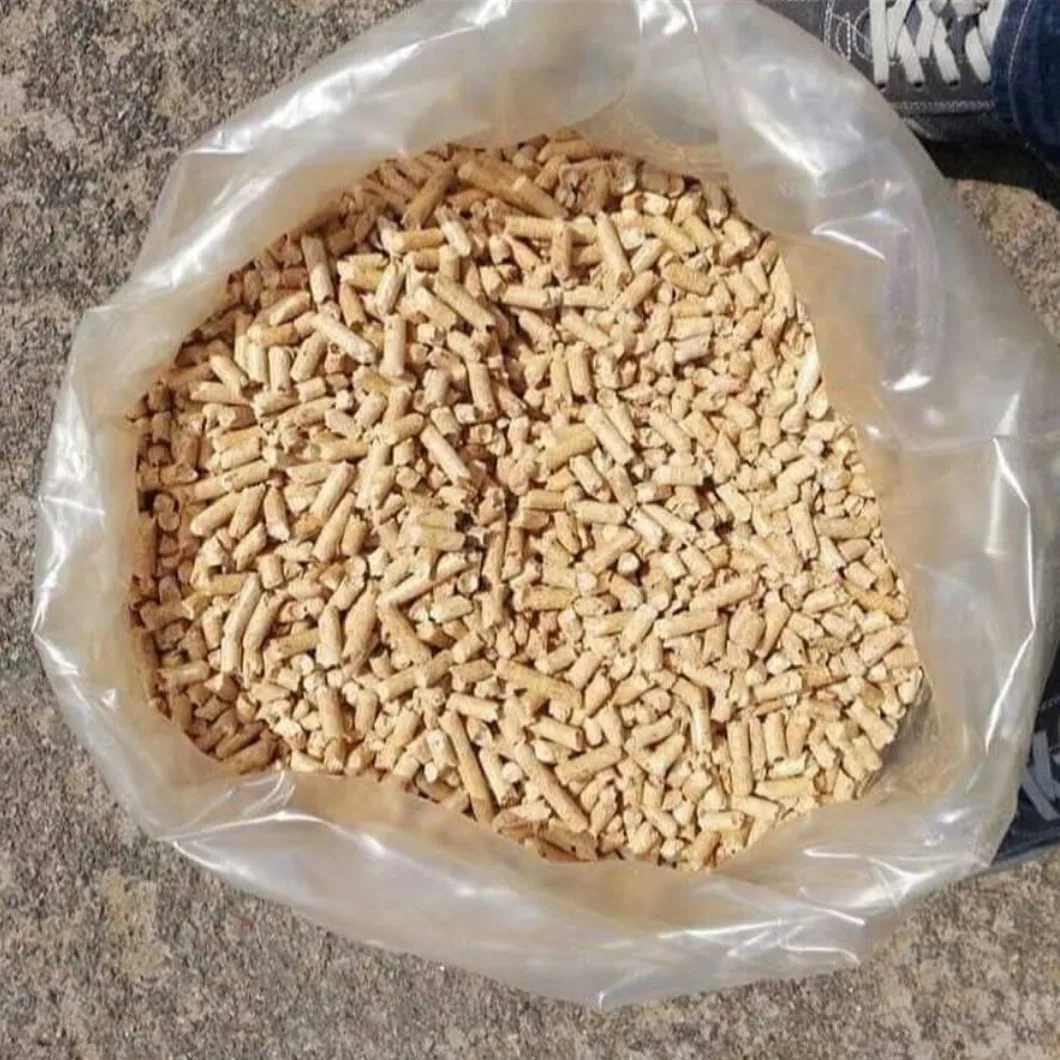
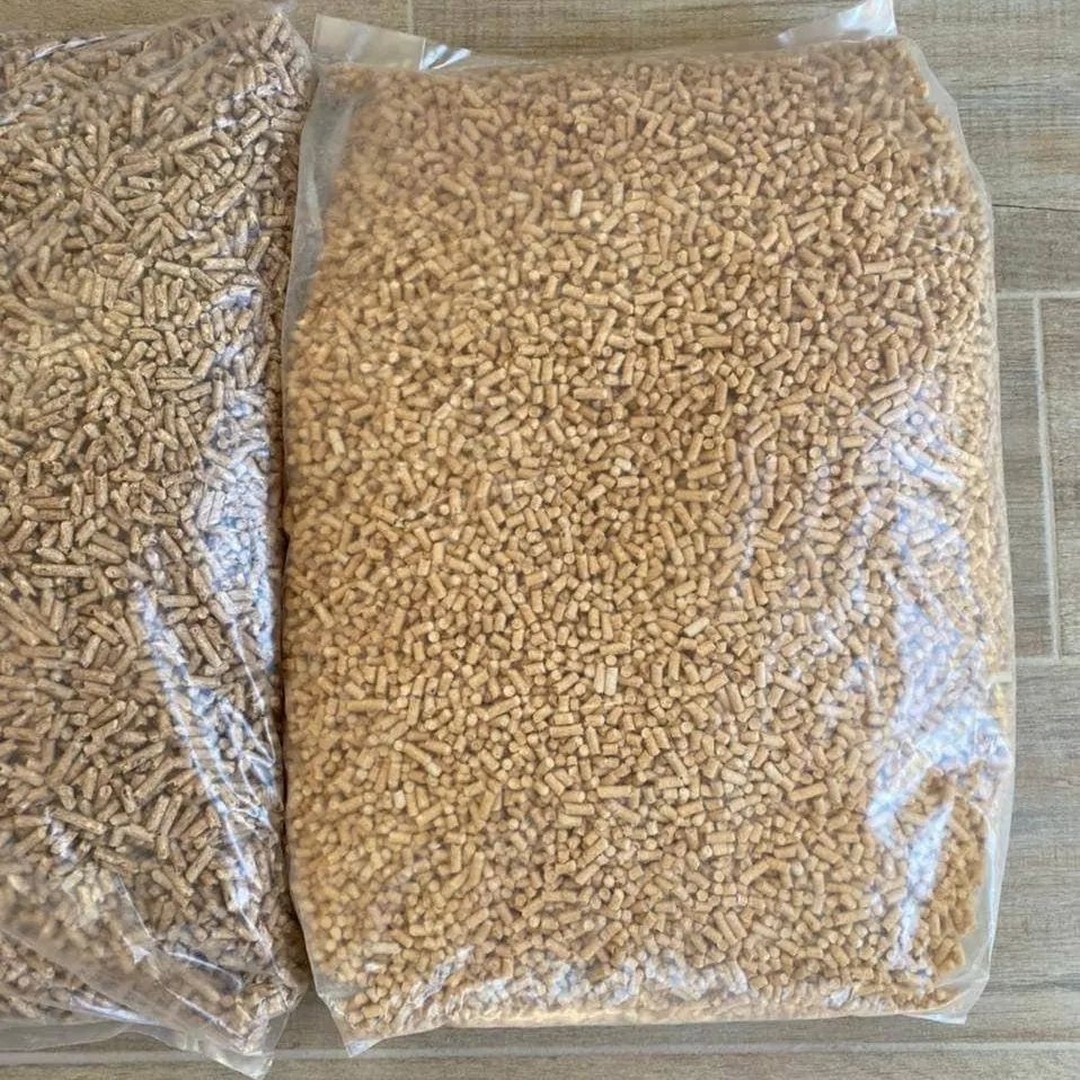
Packaging options are subject to product availability and customer requirements.
Spruce is among the most widely used softwood species in European pellet production, giving a light-coloured, low-ash pellet suited to residential and light-commercial heating appliances. A dependable, widely recognised choice for buyers stocking a standard softwood pellet line.
KASUWOOD OÜ coordinates sourcing, documentation and EU logistics from a single sales desk, so distributors and commercial buyers get one point of contact for quotation, paperwork and delivery rather than managing multiple suppliers.
Send your required quantity, preferred packaging format and delivery destination, and our sales desk will confirm current batch specification, certification status and pricing together with your quotation.
Residential heating distributors stock spruce because it's the most widely available softwood pellet species in Northern Europe, making it the safer default when consistent supply matters more than choosing between near-identical species. Retailers offering a standard softwood line without a specific species story lead with spruce for the same reason — broad recognition and dependable batch-to-batch availability. Commercial boiler operators running light-industrial or agricultural heating equipment choose spruce for its low, consistent ash content, which keeps maintenance intervals predictable. Buyers switching suppliers because of inconsistent softwood availability often specify spruce first, simply because it's the species most mills can reliably supply.
Spruce and silver fir are the two softwood lines we carry, and they sit close enough in ash content and appearance that most buyers pick between them based on current batch availability rather than a meaningful performance gap. Against hardwood species such as beech or acacia, spruce lights faster and burns lighter in colour, though hardwood pellets typically last longer per kilogram — the right choice depends on whether your customers value quick ignition or fewer refills.
How to decide between spruce and silver fir. Both perform similarly, so default to whichever species is currently better priced or in stock unless your market specifically asks for one by name. If you're building a new softwood line from scratch, spruce is generally the easier species to source consistently at volume across most of the season. Hardwood-rated appliances won't suit either species — confirm your appliance type before ordering. Tell us your typical order volume and we'll confirm current spruce availability alongside pricing.
Spruce is one of the most widely processed softwood species in Northern European sawmilling, and pellets are pressed from the sawdust and shavings that milling already produces as by-product. Using that residue for fuel rather than sending it to waste is a large part of why softwood pellets are generally classed as a low-carbon heating fuel relative to fossil alternatives.
Yes — spruce is one of the most widely used softwood species for pellet production across Northern and Central Europe.
Standard diameter is 6mm; certification status is confirmed per batch at the time of quotation.
Both are light-coloured European softwoods with similar burn characteristics — availability and pricing can vary batch to batch, so ask for a comparative quote if choosing between them.
15kg bags, big bags and bulk truckload are all available depending on order volume.
Once you send your required quantity and delivery destination, our sales desk confirms availability and issues a wholesale quotation. Typical EU truck delivery runs approximately 3–5 business days after payment confirmation and loading — see our full delivery process for details.
Diameter isn't a quality marker — it's a compatibility question. Here's how to know which one your appliance actually needs.
Read ArticleA practical guide to matching wood pellet grade, diameter and certification to your heating appliance and budget.
Read ArticleBeyond price — the questions that actually reveal whether a wood pellet supplier can support your business long-term.
Read ArticleOur other light-coloured softwood pellet, very close to spruce in profile and burn characteristics.
View ProductTop-grade certified wood pellets for residential and small commercial heating.
View ProductReliable mid-grade certified wood pellets at a more accessible price point.
View ProductSend your required quantity and delivery destination and our sales desk will prepare a wholesale quotation.