Fruitwood charcoal from orange, lemon and mango wood, reformed into rectangular sticks, valued for a mild, aromatic smoke.
Orange, lemon and mango charcoal is carbonized from orchard fruitwood — orange, lemon and mango wood, typically sourced as pruning offcuts and end-of-life orchard timber rather than purpose-felled trees. Because this wood usually comes as small branches rather than large logs, it's reformed into uniform rectangular sticks rather than sold as irregular lump. Fruitwood charcoal is prized by grill chefs for the mild, slightly sweet, aromatic smoke it imparts, distinct from the more neutral profile of standard hardwood lump charcoal. Supplied loose, boxed or bagged according to buyer requirements.
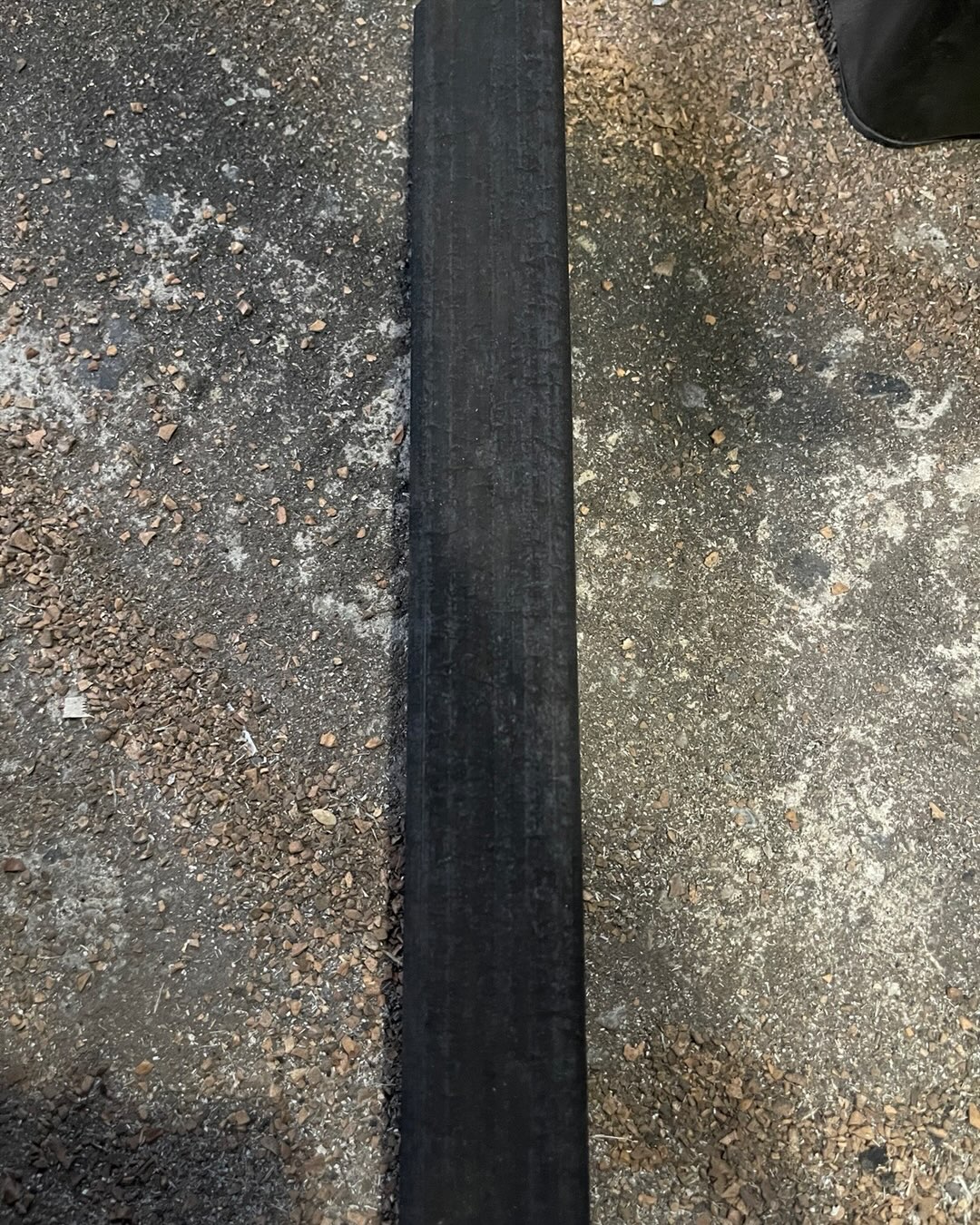
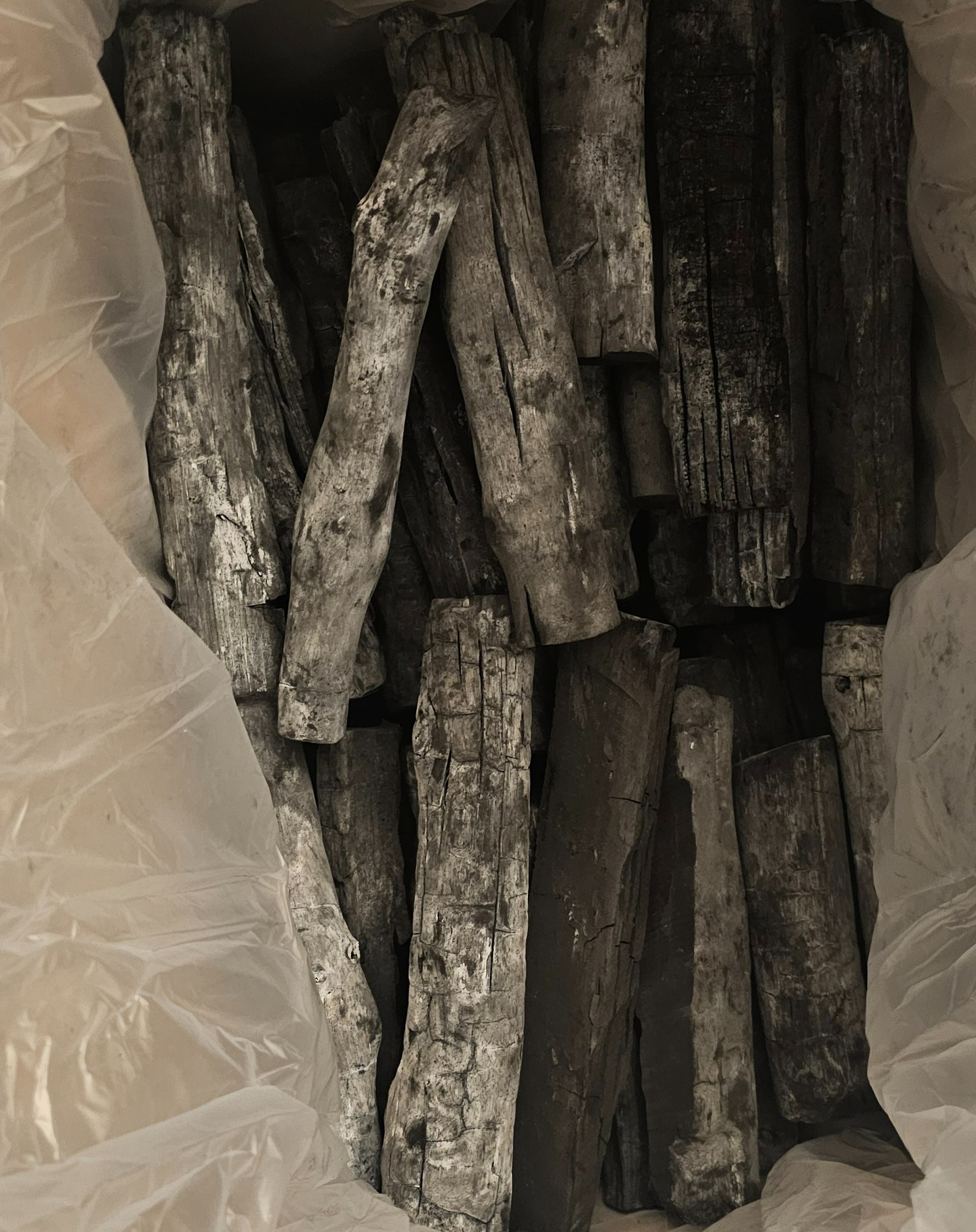
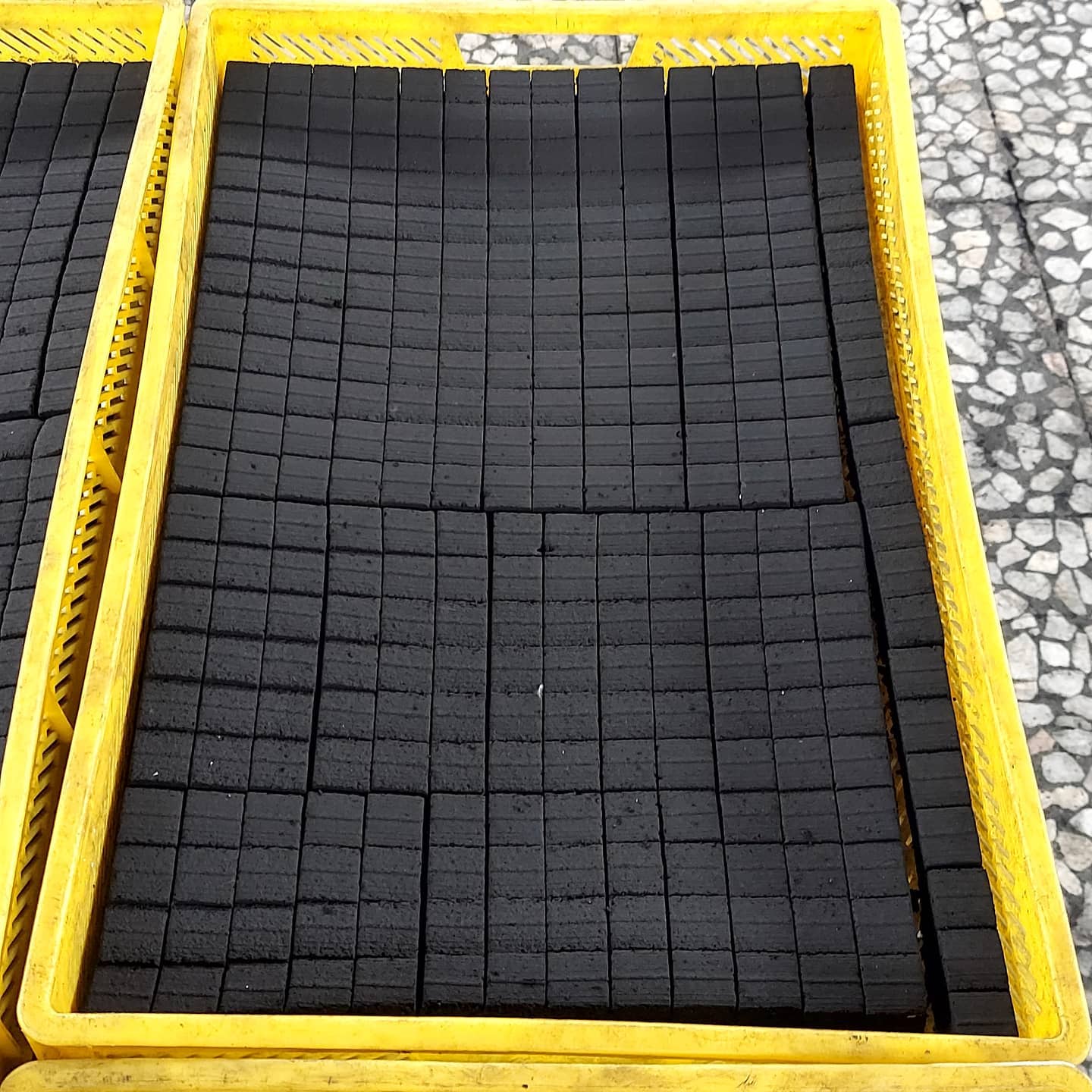
Packaging options are subject to product availability and customer requirements.
This charcoal is carbonized the same way as any other — wood pyrolysis — but from orange, lemon and mango wood rather than standard forestry hardwood, and then reformed into uniform rectangular sticks. Because this wood typically comes from orchard pruning and replaced trees as small branches, it's often a byproduct of fruit farming rather than wood grown specifically for charcoal, and the stick format makes the most of that smaller, irregular raw material — which appeals to buyers looking for a distinct flavour story alongside a consistent, easy-to-handle shape.
KASUWOOD OÜ supplies fruitwood charcoal loose, boxed or bagged, matching the format to how our customers actually move product — whether that's a restaurant buying by the box or a retailer needing bagged units for shelf sale.
For fruitwood charcoal, the practical quality markers are consistency of the stick size and dryness, the same as for any charcoal, but buyers are typically choosing this product for its smoke character first and heat performance second. As with any charcoal, drier, denser sticks light more predictably and burn longer.
Specialty and premium grill restaurants are the primary buyer segment, choosing fruitwood charcoal specifically to differentiate their grilling flavour profile from competitors using standard hardwood charcoal. Retailers stocking premium or specialty charcoal for grilling enthusiasts want bagged units that can highlight the orange, lemon or mango sourcing as a selling point. Commercial catering operations running events with a particular culinary theme sometimes request fruitwood charcoal specifically for the aromatic smoke it contributes.
Fruitwood sticks vs. standard hardwood lump charcoal. Both are made through the same carbonization process, but the source wood differs, and that difference shows up mainly in smoke aroma rather than heat output or burn time. The rectangular stick format is also more uniform, piece to piece, than irregular lump charcoal. Standard hardwood lump charcoal (our Hardwood Charcoal range) is a more cost-effective, widely available choice for everyday grilling; fruitwood charcoal is chosen specifically for its distinct, milder smoke character and consistent shape.
How to choose. If your kitchen or brand is built around a distinctive grilling flavour, fruitwood charcoal is worth the premium for the aromatic character it contributes, and the stick format makes portioning predictable. For everyday, high-volume grilling where flavour differentiation isn't the priority, standard hardwood lump charcoal is a more cost-effective choice. Order format matters too — boxed suits higher-volume commercial kitchens, bagged units are easier for retail shelf sale.
Because this charcoal is typically made from orchard pruning offcuts and replaced fruit trees rather than wood grown specifically for charcoal, it makes productive use of material that might otherwise go to waste. As with any charcoal product, buyers who want to verify sourcing should ask their supplier directly about the source orchards and production method for a specific batch.
Orange, lemon and mango wood charcoal is generally described as giving a milder, slightly sweet, more aromatic smoke than standard hardwood lump charcoal, which has a more neutral profile.
Orange, lemon and mango wood typically comes from orchard pruning as small branches rather than large logs, so it's reformed into uniform rectangular sticks — this also gives a more consistent, easy-to-portion piece than irregular lump charcoal.
From the wood — specifically orchard pruning offcuts and end-of-life orange, lemon and mango trees, carbonized the same way as any other charcoal.
Heat output and burn time are broadly similar to other charcoal of comparable density; the main practical difference buyers notice is the smoke aroma, not the burn performance.
Keep it in its original packaging or a sealed container, off the ground and away from damp. Damp charcoal is still usable once fully dried out, but will smoke more and light less reliably in the meantime.
KASUWOOD OÜ's standard delivery network covers EU destinations by truck. For export enquiries outside the EU, contact our sales desk directly to discuss feasibility and logistics.
Yes — many of our commercial customers combine specialty charcoal with other charcoal types, wood pellets, firewood or briquettes in one order to reduce delivery costs and simplify their supply chain. Mention this when requesting your quote.
Once you send your required quantity and delivery destination, our sales desk confirms availability and issues a wholesale quotation. Typical EU truck delivery runs approximately 3–5 business days after payment confirmation and loading — see our full delivery process for details.
High-porosity, cylindrical activated carbon for filtration and industrial adsorption use.
View ProductDense, long-burning charcoal carbonized from whole coconut shells.
View ProductUniform pillow-shaped compressed charcoal briquettes for a longer, steadier burn.
View ProductDense, high-heat lump charcoal traditionally used for satay and seafood grilling.
View ProductSmall cube-shaped charcoal with a center hole, purpose-made for hookah and shisha lounges.
View ProductSend your required quantity and delivery destination and our sales desk will prepare a wholesale quotation.