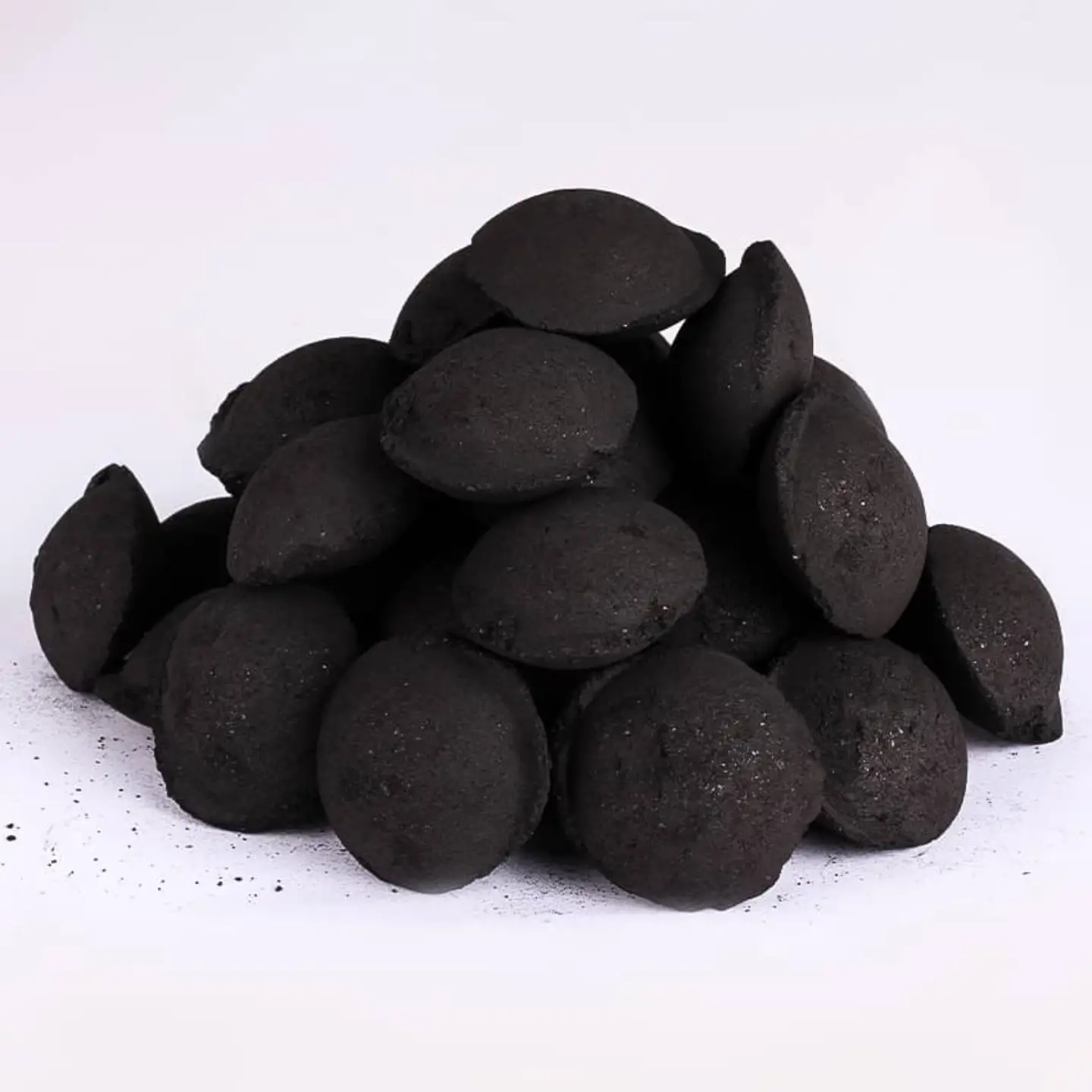
Uniform pillow-shaped compressed charcoal briquettes for a longer, steadier burn than natural lump charcoal.
Briquettes charcoal is made by compressing charcoal fines and dust — the small leftover material from lump charcoal production — into a uniform pillow shape, usually with a binder. Because every piece is the same size and density, briquettes burn more evenly and for longer than natural lump charcoal, and produce fewer unpredictable flare-ups. Supplied loose, boxed or bagged according to buyer requirements.
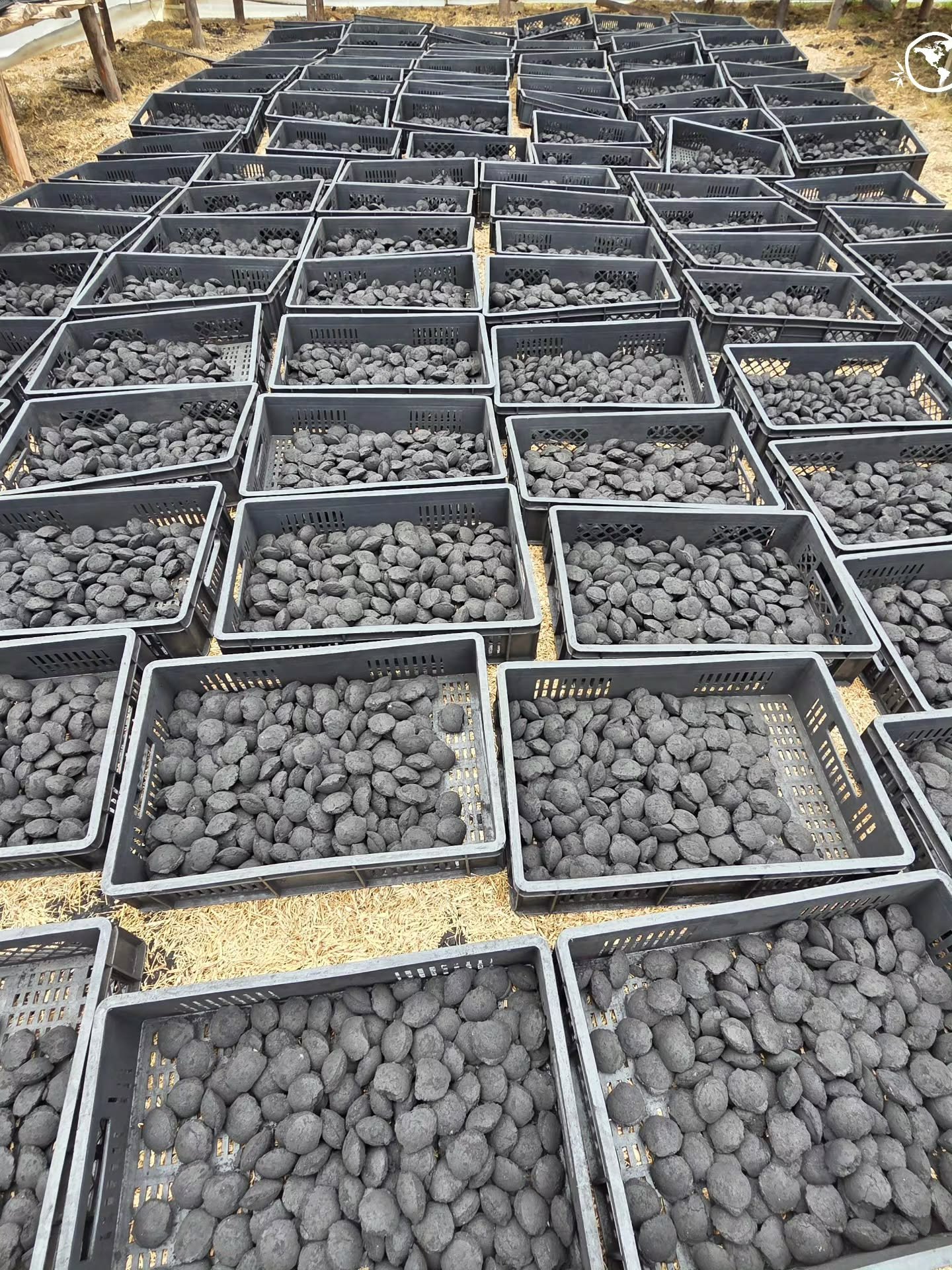
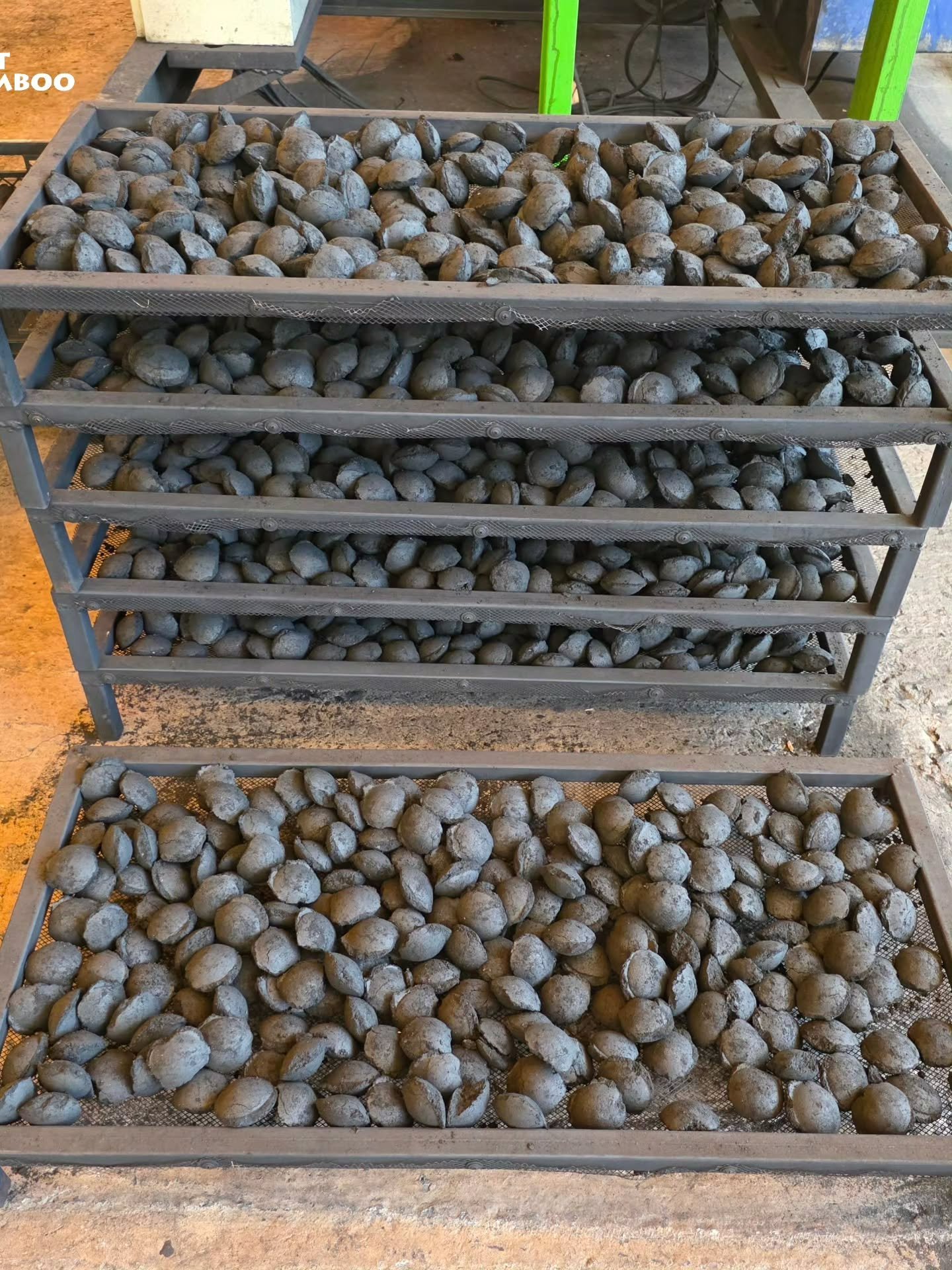
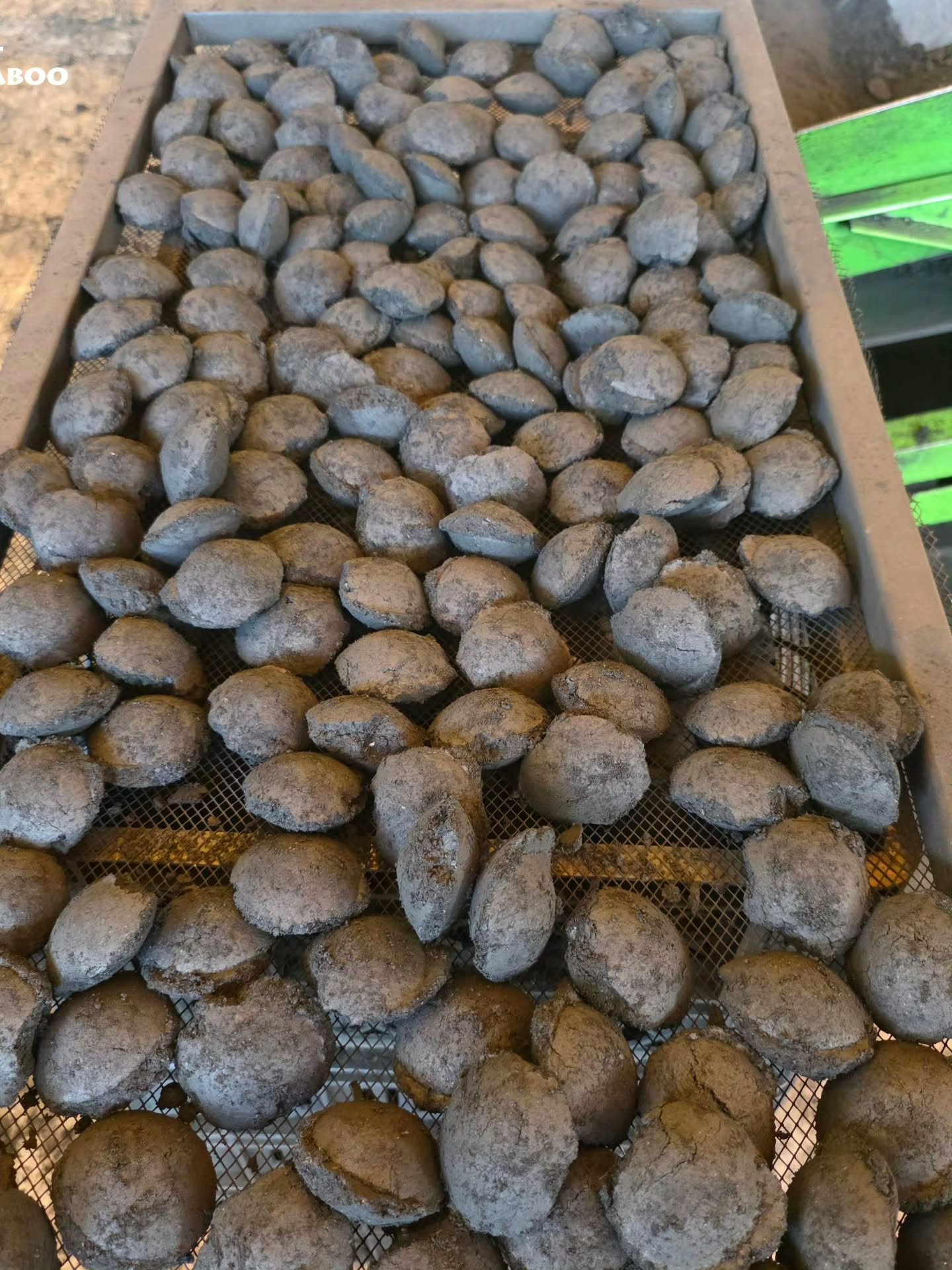
Packaging options are subject to product availability and customer requirements.
Briquettes charcoal is a manufactured product: charcoal dust and fines left over from carbonizing wood are pressed under high pressure, usually with a starch or similar binder, into a dense, uniform cube. This is a different production route to lump charcoal, which is simply carbonized wood cut or broken into pieces without any pressing or binder. The uniform shape and density is the whole point — it gives a burn that behaves the same way, piece after piece, order after order.
KASUWOOD OÜ supplies briquettes charcoal loose, boxed or bagged, so the format matches how our customers actually move product — a restaurant buying by the box, or a retailer needing bagged units for shelf sale.
For briquettes, the practical quality markers are consistency of size and how well they hold together during shipping and handling. A well-made briquette burns down evenly over a predictable time, which matters to restaurants planning service around a grill, and to retailers whose customers expect the same experience bag after bag.
Retailers stocking charcoal for home barbecue use are the largest buyer segment for briquettes, since the predictable, longer burn suits less experienced grillers and simplifies instructions on packaging. Barbecue and grill restaurants that run high-volume service often mix briquettes with lump charcoal, using briquettes as a steady base heat source. Commercial catering operations — event catering, food trucks — value the predictable burn time when working to a fixed service schedule. Hospitality venues running occasional barbecue events tend to prefer briquettes precisely because the burn behaviour needs less hands-on management than lump charcoal.
Briquettes vs. lump (hardwood) charcoal. These are genuinely different products. Lump charcoal is carbonized wood with no additives; it lights faster and gives a more natural flavour that many grill chefs prefer, but individual pieces vary in size and burn time. Briquettes are compressed charcoal fines pressed into a uniform shape; they take a little longer to reach cooking temperature but then burn at a steadier, more predictable rate for longer, with less variation piece to piece.
How to choose. For retail resale to home barbecue users, briquettes are usually the safer choice — the predictable, forgiving burn suits customers who don't manage a fire every week. For professional grill restaurants prioritising flavour and fast lighting, lump charcoal (a separate product from our briquettes range) is generally preferred, though many kitchens use both for different stations. Order format matters too — boxed suits higher-volume commercial kitchens, bagged units are easier for retail shelf sale.
Briquettes charcoal is made from reclaimed charcoal fines and dust that would otherwise be waste from lump charcoal production, which makes it an efficient use of material by nature. As with any charcoal product, the overall environmental profile still depends on the source timber coming from responsibly managed forestry — buyers who want to verify sourcing should ask their supplier directly about the source wood and binder used in a specific batch.
Briquettes are compressed from charcoal fines and dust into a uniform cube shape, usually with a binder, while lump charcoal is simply carbonized wood pieces with no additives. Briquettes burn more evenly and for longer; lump charcoal lights faster with a more natural flavour.
Generally yes — the denser, compressed structure takes a little longer to reach cooking temperature, but then holds a steady, even heat for longer than most lump charcoal.
Keep them in their original packaging or a sealed container, off the ground and away from damp. Briquettes that absorb moisture are still usable once fully dried out, but will smoke more and light less reliably in the meantime.
KASUWOOD OÜ's standard delivery network covers EU destinations by truck. For export enquiries outside the EU, contact our sales desk directly to discuss feasibility and logistics.
Briquettes charcoal is supplied loose in bulk, boxed, or bagged, depending on your order size and how you plan to move or resell the product.
Yes — many of our commercial customers combine briquettes with other charcoal types, wood pellets, firewood or briquettes in one order to reduce delivery costs and simplify their supply chain. Mention this when requesting your quote.
Yes — the predictable, longer burn is a practical advantage for catering operations and food trucks working to a fixed service schedule.
Once you send your required quantity and delivery destination, our sales desk confirms availability and issues a wholesale quotation. Typical EU truck delivery runs approximately 3–5 business days after payment confirmation and loading — see our full delivery process for details.
High-porosity, cylindrical activated carbon for filtration and industrial adsorption use.
View ProductDense, long-burning charcoal carbonized from whole coconut shells.
View ProductDense, high-heat lump charcoal traditionally used for satay and seafood grilling.
View ProductCharcoal reformed into rectangular sticks for fast, even lighting.
View ProductSmall cube-shaped charcoal with a center hole, purpose-made for hookah and shisha lounges.
View ProductSend your required quantity and delivery destination and our sales desk will prepare a wholesale quotation.